 HUATAO | Paper Machine Clothing
Single-layer forming fabric
Review single-layer forming fabric for the paper machine forming section. Compare the documented weave with the existing forming fabric and drainage requirements.
Forming Fabrics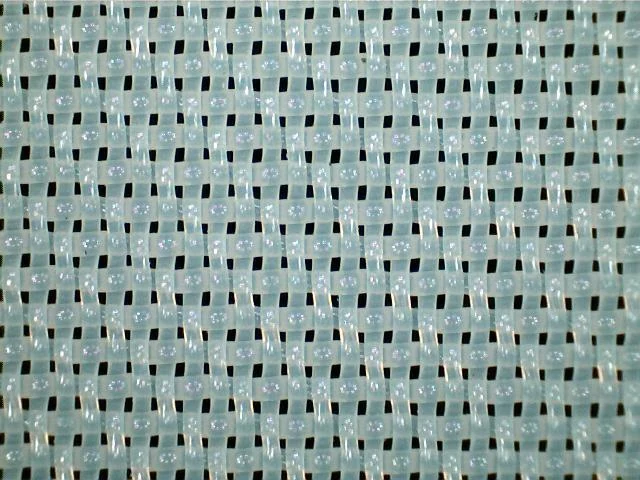
Specification notes
| Construction | Single-layer weave |
|---|---|
| Published weave options | 4-shaft, 5-shaft and 8-shaft |
What should you confirm before ordering?
Share your existing fabric reference, machine position, dimensions and operating conditions. Request a written drawing or specification and confirm test method and acceptance criteria before ordering.
What are you investigating?
Record sheet formation, wire marks, drainage changes or wear location. Compare the existing weave and yarn construction before changing the specification.
What should you send?
Send the forming position, paper grade, furnish, speed, dimensions and existing fabric reference.
How should these figures be used?
Figures are catalogue design references. The catalogue table does not specify the air permeability test pressure. Confirm the test method, dimensions and current proposal before ordering.
Selection checks
Compare the documented weave with the existing forming fabric and drainage requirements.
Installation and fit
Confirm running width and length, paper-side orientation, running direction and the approved threading route.
Technical documents and approval
Identify the applicable design or version in the published tables. Confirm test conditions and obtain the approved specification or drawing before ordering.
What to include in your enquiry
Include paper grade, running speed, machine position, finished dimensions, current fabric reference and the required installation date. Include the drawing revision if available.
| Design reference | Warp mesh (ends/cm) | Weft count (picks/cm) | Warp diameter (mm) | Weft diameter (mm) | Air permeability (m³/m²/h) | Air permeability (CFM) | FSI | DI | Enquiry |
|---|---|---|---|---|---|---|---|---|---|
| HTCXW40203 | 40.0–41.0 | 29.0–30.0 | 0.15 | 0.20 | 4500 | 285 | 135 | 14.2 | Enquire |
| HTCXW25284 | 27.5–28.5 | 22.0–23.0 | 0.22 | 0.28 0.28 | 6350 | 400 | 86 | 11.4 | Enquire |
| HTCXW25305 | 27.5–28.5 | 21.5–22.5 | 0.22 | 0.30 0.30 | 8000 | 505 | 77 | 11.3 | Enquire |
| HTCXW25408 | 27.5–28.5 | 17.5–18.5 | 0.22 | 0.40 0.40 | 8000 | 505 | 70 | 8.7 | Enquire |
| HTCXW25408 | 27.5–28.5 | 16.5–17.5 | 0.22 | 0.40 0.40 | 8850 | 560 | 69 | 9.1 | Enquire |
| Design reference | Weave | Warp (ends/cm) | Weft (picks/cm) | Warp yarn (mm) | Weft yarn (mm) | Air permeability (CFM) | Air permeability (m³/m²/h) | Test pressure | Water permeability (s/5 L) | Caliper (mm) | Elongation at 50 N | FSI | DI | Enquiry |
|---|---|---|---|---|---|---|---|---|---|---|---|---|---|---|
| HTCXW40203 | 3-shed single layer | 39.5–40.5 | 28.5–29.5 | 0.15 PET | 0.20 PET | 300 | 4750 | — | — | 0.330 | ≤1.2% | — | — | Enquire |
Sources
Fabric photos by model
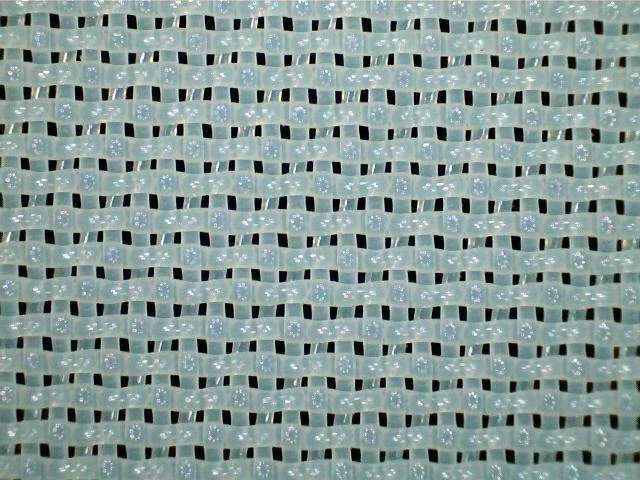
From specification review to enquiry
Applications
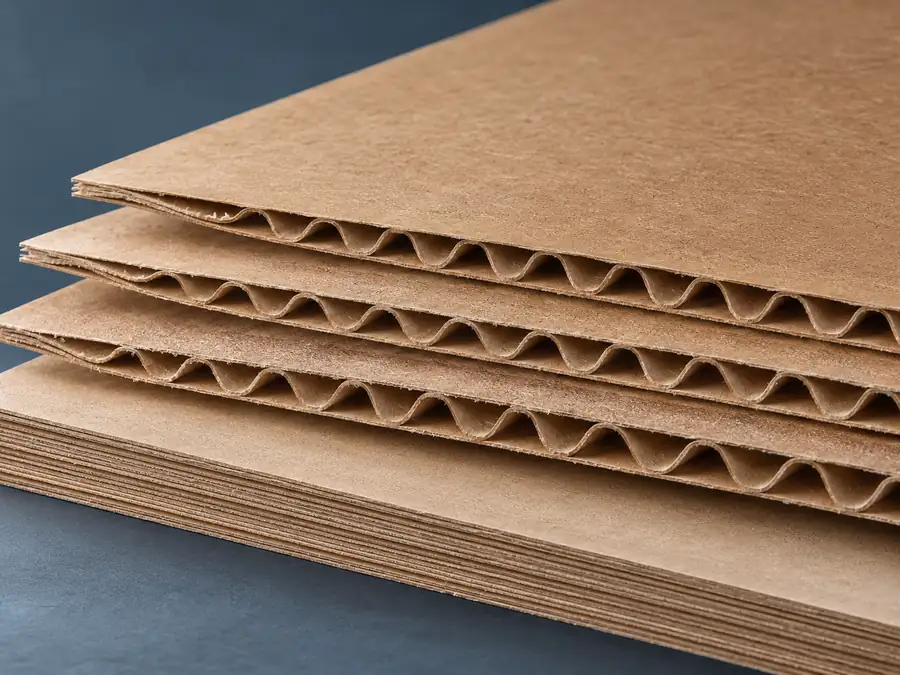 Packaging paper and boardPlan fabric enquiries by forming, press and dryer position.
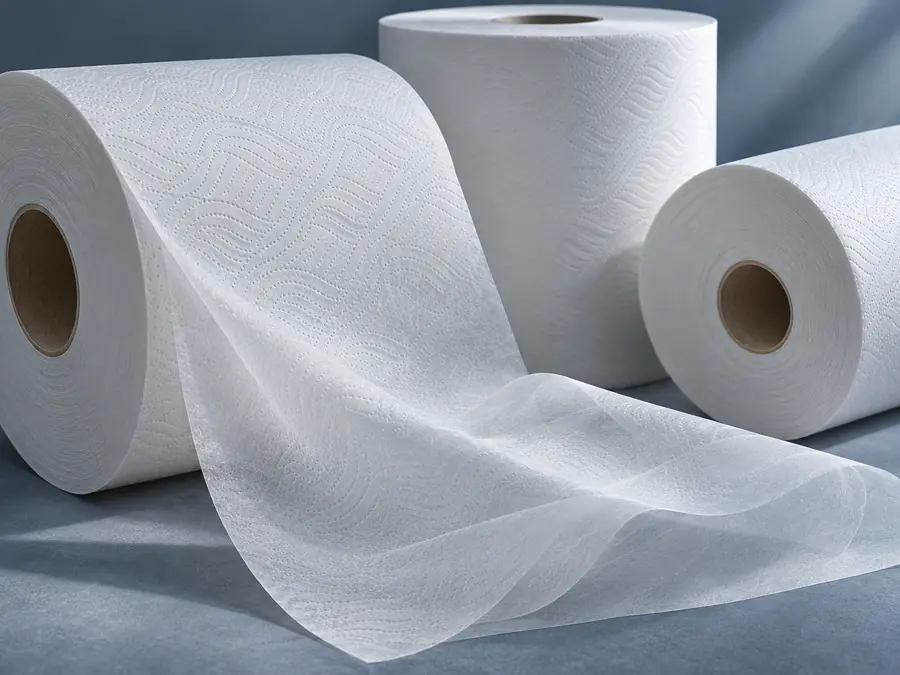 TissueBuild a tissue machine fabric enquiry around the exact former and machine position.
 Printing and writing paperCompare fabric requirements for the specific grade and machine section.